Homosexuality And The Dsm Updates To Private Media #754
Watch For Free homosexuality and the dsm VIP video streaming. No subscription costs on our cinema hub. Step into in a sprawling library of films presented in superb video, designed for dedicated watching patrons. With fresh content, you’ll always never miss a thing. Seek out homosexuality and the dsm preferred streaming in stunning resolution for a genuinely gripping time. Get into our streaming center today to witness subscriber-only media with totally complimentary, without a subscription. Look forward to constant updates and discover a universe of rare creative works crafted for exclusive media junkies. Don't pass up exclusive clips—start your fast download! Access the best of homosexuality and the dsm bespoke user media with brilliant quality and curated lists.
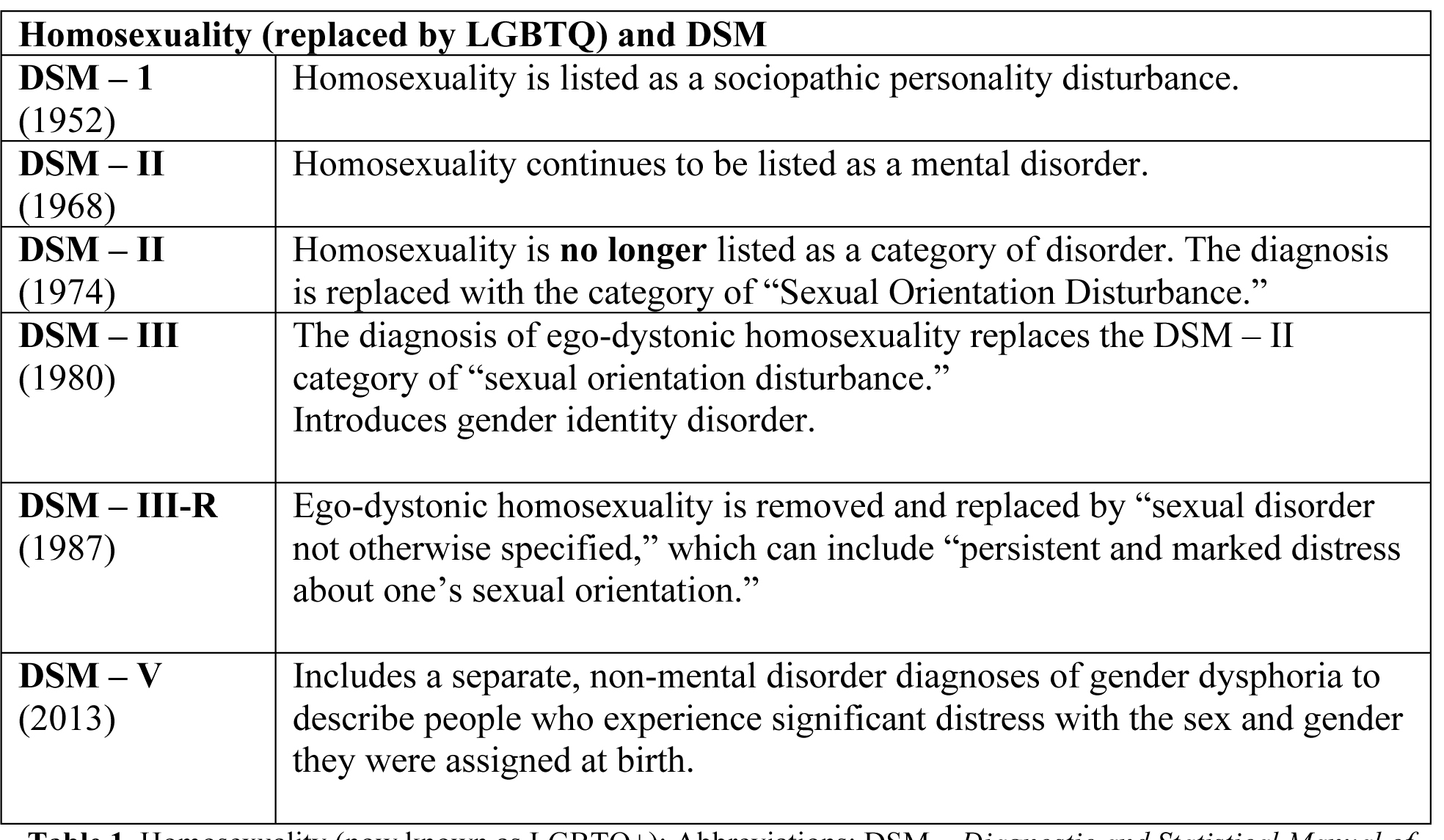
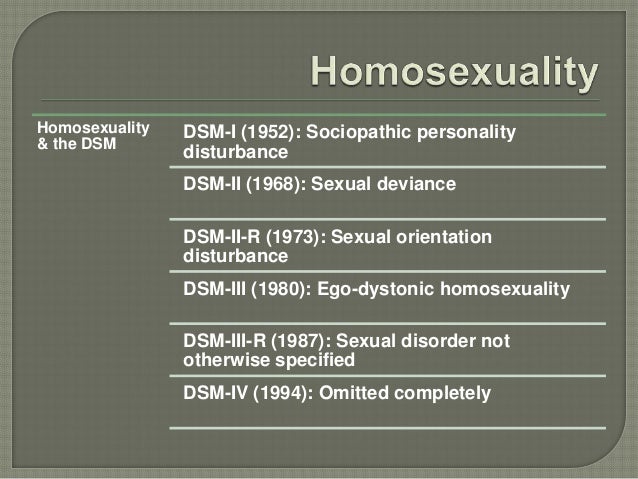
Homosexuality was classified as a mental disorder in the diagnostic and statistical manual of mental disorders (dsm) beginning with the first edition, published in 1952 by the american psychiatric association (apa). By embracing diversity and rejecting stigma, mental health professionals can contribute to a more equitable and compassionate society. In 1973, the american psychiatric association (apa) removed the diagnosis of “homosexuality” from the second edition of its diagnostic and statistical manual (dsm)
Women's Health and Education Center (WHEC) - Healthcare Policies
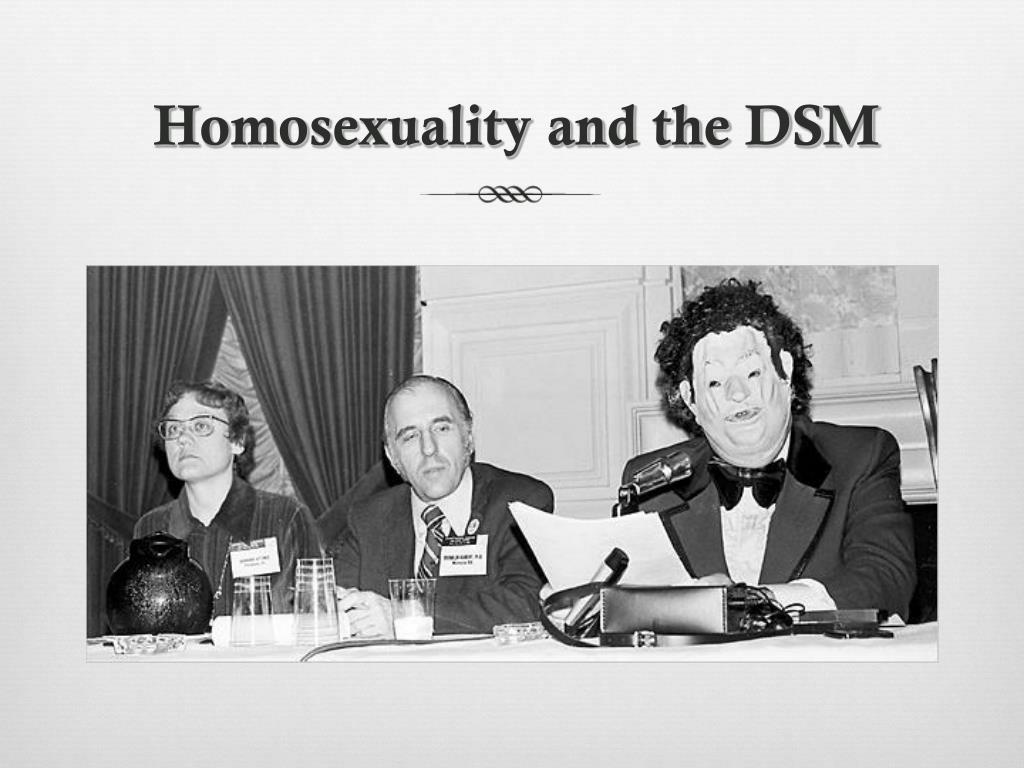
This resulted after comparing competing theories, those that pathologized homosexuality and those that viewed it as normal. The history of homosexuality in the dsm serves as a powerful reminder of the intersection between science, culture, and human rights In 1973, members of the american psychiatric association voted to remove homosexuality from the dsm
This article examines the progression of classification of homosexuality in various editions of the dsm, factors influencing this progression, and implications for sexual and other minority communities.
The campaign to remove the “homosexuality” diagnosis from the dsm began in earnest in the 1960s, backed by a growing civil rights, women’s rights, and gay rights movement across the country.