
A List Of Porn Stars 2026 Content Release #677
Begin Now a list of porn stars unrivaled digital media. No subscription costs on our video portal. Submerge yourself in a great variety of media on offer in 4K resolution, the ultimate choice for discerning viewing fans. With the latest videos, you’ll always stay updated. Browse a list of porn stars curated streaming in ultra-HD clarity for a sensory delight. Register for our digital space today to enjoy private first-class media with no charges involved, no credit card needed. Look forward to constant updates and investigate a universe of special maker videos perfect for select media lovers. Act now to see original media—save it to your device instantly! Indulge in the finest a list of porn stars one-of-a-kind creator videos with vivid imagery and special choices.
I have a piece of code here that is supposed to return the least common element in a list of elements, ordered by commonality So we really want to evaluate used.append(x) only when x is not in used, maybe if there is a way to turn this none value into a truthy one we will be fine, right? From collections import counter c = counte.
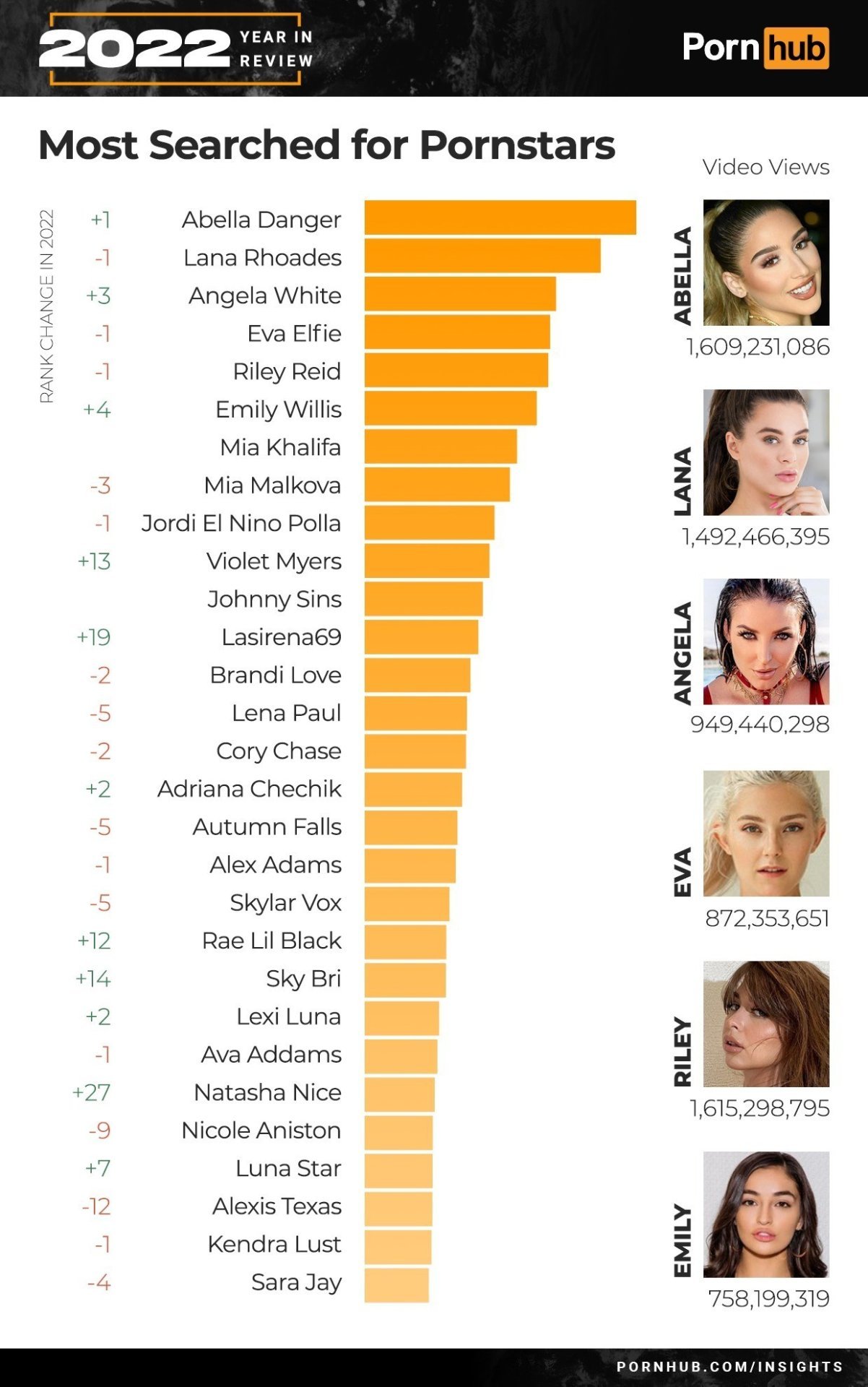
The Hottest 20 Porn Stars of the Decade | eBaum's World
The first, [:], is creating a slice (normally often used for getting just part of a list), which happens to contain the entire list, and thus is effectively a copy of the list But that's what we want in order to get the unique elements from a list with duplicates, we want to.append them into a new list only when we they came across for a fist time The second, list(), is using the actual list type constructor to create a new list which has contents equal to the first list.
Don't use quotes on the command line 1 don't use type=list, as it will return a list of lists this happens because under the hood argparse uses the value of type to coerce each individual given argument you your chosen type, not the aggregate of all arguments
You can use type=int (or whatever) to get a list of ints (or whatever) Let summarize the differences between list.of and arrays.aslist list.of can be best used when data set is less and unchanged, while arrays.aslist can be used best in case of large and dynamic data set. Given a dataframe, i want to groupby the first column and get second column as lists in rows, so that a dataframe like A b a 1 a 2 b 5 b 5 b 4 c 6 becomes a [1,2] b [5,5,4] c [6] how do i do this?
In c# if i have a list of type bool What is the fastest way to determine if the list contains a true value I don’t need to know how many or where the true value is I just need to know if one e.
I can not find tge list of account passwords tgat i saved in google account
Is the a short syntax for joining a list of lists into a single list ( or iterator) in python For example i have a list as follows and i want to iterate over a,b and c. I want to get a list of the column headers from a pandas dataframe The dataframe will come from user input, so i won't know how many columns there will be or what they will be called