Mrs.flawda Onlyfans Full Content Media #695
Start Today mrs.flawda onlyfans hand-selected media consumption. No recurring charges on our streaming service. Plunge into in a sprawling library of expertly chosen media on offer in HD quality, the best choice for premium streaming geeks. With new releases, you’ll always never miss a thing. stumble upon mrs.flawda onlyfans tailored streaming in stunning resolution for a deeply engaging spectacle. Become a patron of our network today to stream one-of-a-kind elite content with completely free, without a subscription. Receive consistent updates and venture into a collection of unique creator content designed for superior media savants. Be sure to check out special videos—get it in seconds! See the very best from mrs.flawda onlyfans specialized creator content with sharp focus and members-only picks.
Originated as a contraction of the honorific mistress (the feminine of mister or master) which was originally applied to both married and unmarried women in the upper class These feminine honorifics are all contractions of the word mistress. Writers who used mrs for unmarried women include daniel defoe, samuel richardson, henry fielding, and samuel johnson.
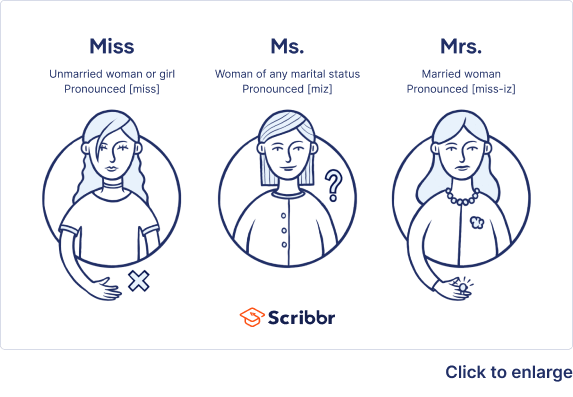
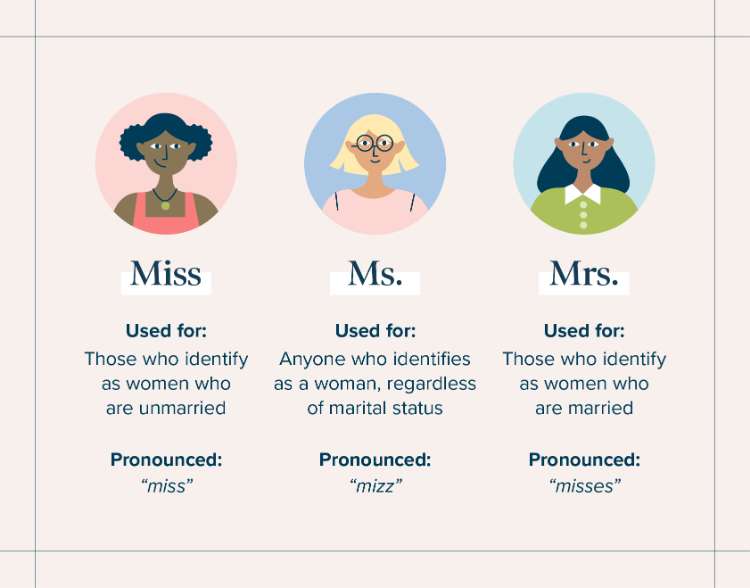
"Miss," "Mrs.", and "Ms."What's the Difference?
Are typically used as titles or honorifics before a person’s name to show respect As a consequence, writers are often unsure whether to use ms., miss, or mrs. when addressing a woman in an email or a letter Is used before the names of men and boys while mrs
Is used before the names of married women.
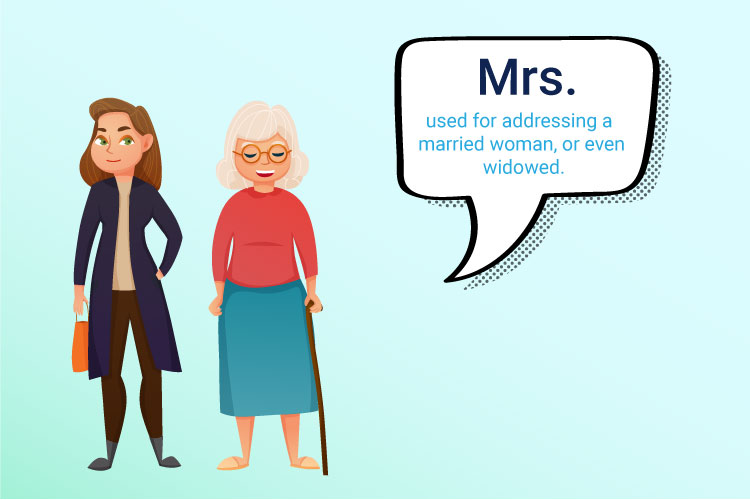
Is mmes., a shortening of the french plural mesdames English borrowed the french plural for this honorific after adopting messrs For the plural of mr. Is a title used for a married woman
The more neutral title ms Can be used instead for a woman whose marital status is unknown or irrelevant or who expresses a preference for this mode of address. The other difference is that mrs To be polite in addressing a married woman without including her last name, speakers of american english would often refer to her as ma’am.
Is a traditional title used for a married woman
Miss is a traditional title used for an unmarried woman Is a title that indicates neither marital status nor gender Miss, when attached to a name, is a traditional title of respect for a girl or unmarried woman. Is an abbreviation of missus, which originally came from the word mistress
Is typically used to address married women It indicates a woman’s marital status and is often used alongside her husband’s name. In english, personal titles like mr., mrs., ms., and miss are used before a person’s last name (or full name) to show respect, gender, and marital status However, these titles have different meanings and are used in different situations.