
Stars Leaked Fresh Content Added 2026 #815
Activate Now stars leaked hand-selected viewing. No subscription costs on our binge-watching paradise. Get lost in in a immense catalog of documentaries made available in first-rate visuals, a must-have for prime watching followers. With fresh content, you’ll always be in the know. Experience stars leaked expertly chosen streaming in sharp visuals for a utterly absorbing encounter. Hop on board our creator circle today to get access to exclusive prime videos with without any fees, no strings attached. Stay tuned for new releases and discover a universe of specialized creator content built for first-class media aficionados. Be sure not to miss one-of-a-kind films—download fast now! Treat yourself to the best of stars leaked exclusive user-generated videos with lifelike detail and chosen favorites.
Every star has its own life cycle, ranging from a few million to trillions of years, and its properties change as it ages Unlike planets, stars eventually generate sufficient pressure and temperature at their core for hydrogen fusion to begin. Stars form in large clouds of gas and dust called molecular clouds.
Stars
Many other stars are visible to the naked eye at night Like planets, stars accrete sufficient mass to assume a spherical shape, held together by their own gravity Their immense distances from earth make them appear as fixed points of light
The most prominent stars have been categorised into constellations and asterisms, and many of the brightest stars have proper names.
This article describes the properties and evolution of individual stars Included in the discussion are the sizes, energetics, temperatures, masses, and chemical compositions of stars. Stars are a fundamental component in the universe and collectively form star clusters, galaxies and galaxy clusters Find out more about star names, star clusters to see with the naked eye, how to photograph stars and the science of stardust.
Stars are huge celestial bodies made mostly of hydrogen and helium that produce light and heat from the churning nuclear forges inside their cores. Stars are spherical balls of hot, ionized gas (plasma) held together by their own gravity Stars are the most fundamental building blocks of our universe. Stars are massive, luminous spheres of gas, mainly composed of hydrogen, with smaller amounts of helium and other elements
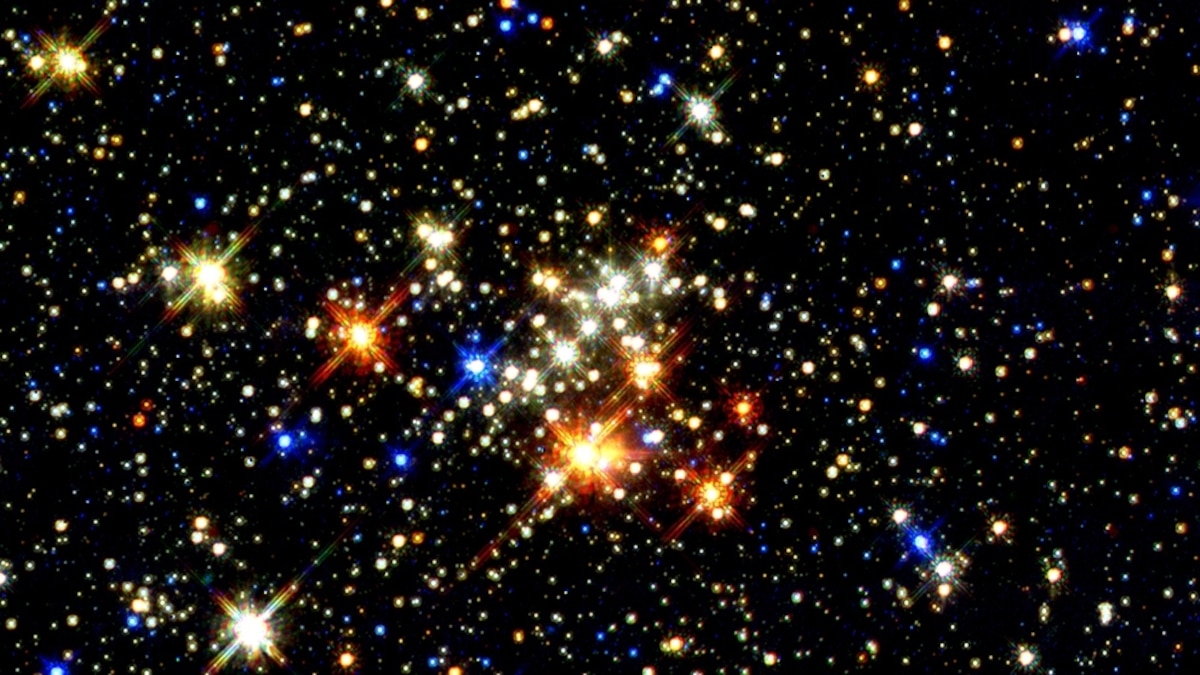
The lifespan of a star varies widely, generally ranging from several million to several trillion years.
Stars are huge balls of hot, glowing gas that make light and heat through fusion Stars come in different sizes and colors, and each one has a life cycle like our sun As stars die, they spread elements in space that help make new stars, planets, and life. A star is a huge sphere of very hot, glowing gas
Stars produce their own light and energy by a process called nuclear fusion Fusion happens when lighter elements are forced to become heavier elements When this happens, a tremendous amount of energy is created causing the star to heat up and shine Stars come in a variety of sizes and colors.
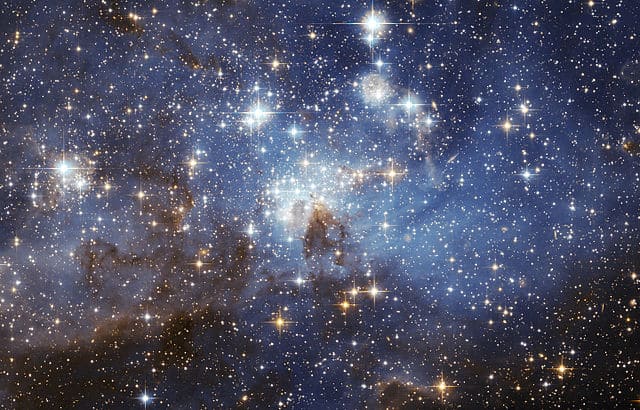
The sun is a star
Stars form from clouds of dust and gas

