What Are Some Advantages Of Asexual Reproduction Complete Media Collection #695
Jump In what are some advantages of asexual reproduction select viewing. No recurring charges on our visual library. Immerse yourself in a vast collection of clips made available in top-notch resolution, designed for discerning viewing devotees. With trending videos, you’ll always be informed. stumble upon what are some advantages of asexual reproduction chosen streaming in vibrant resolution for a utterly absorbing encounter. Participate in our online theater today to see solely available premium media with without any fees, no membership needed. Benefit from continuous additions and experience a plethora of groundbreaking original content conceptualized for top-tier media enthusiasts. Be certain to experience singular films—begin instant download! Witness the ultimate what are some advantages of asexual reproduction bespoke user media with sharp focus and special choices.
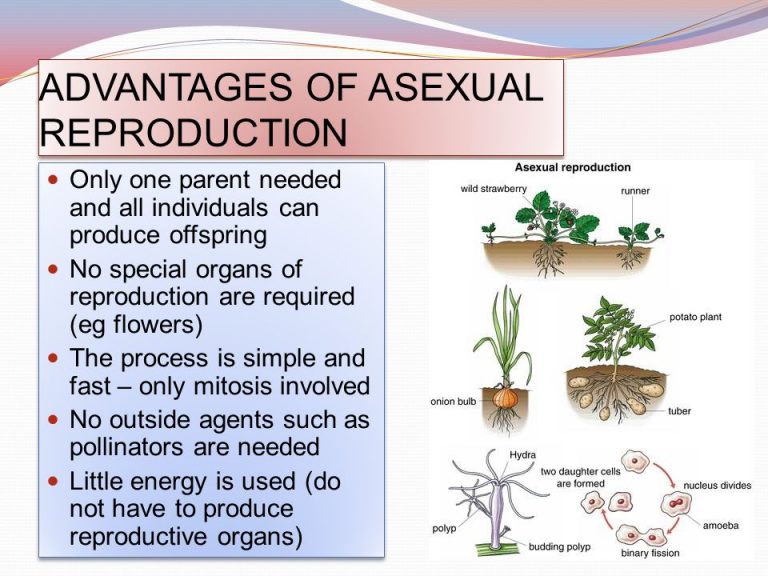
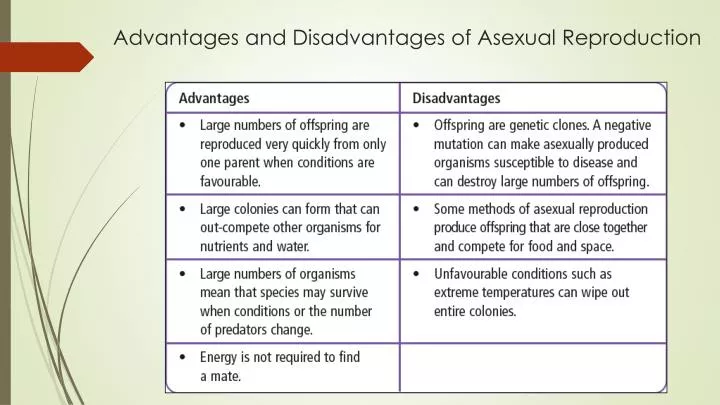
The advantages and disadvantages of asexual reproduction show us that this common process allows for life to continue in environments or habitats that may be somewhat difficult for other forms of reproduction. For the scope of this article, we’ll be discussing some advantages of asexual reproduction. Some asexual organisms face limitations in dispersal and mobility, reducing their ability to colonize new environments
PPT - Advantages and Disadvantages of Asexual Reproduction PowerPoint
Unlike sexually reproducing species that produce seeds, spores, or mobile offspring capable of spreading to distant areas, asexual species often rely on local mechanisms for population expansion, such as fragmentation or budding. Advantages of asexual reproduction in plants there are advantages of asexual reproduction in plants, and a few disadvantages as well Asexual reproduction in plants is a fascinating phenomenon that offers numerous advantages
In this article, we will explore the benefits of asexual reproduction and how it contributes to the survival and success of various plant species.
Asexual reproduction asexual reproduction is one of the most common modes of reproduction found in lower organisms and some plants It involves a single parent and occurs without the fusion of gametes, resulting in offspring genetically identical to the parent Asexual reproduction is observed in various life forms, including bacteria, fungi, algae, simple animals, and many types of plants In plants, asexual reproduction is also common, though many plants combine it with sexual reproduction to maintain genetic diversity
Some plants, like certain succulents, mosses, and algae, can reproduce solely through asexual means, utilizing processes like budding, fragmentation, or spore formation. Pros and cons of asexual reproduction asexual reproduction, involving the production of genetically identical offspring without gametes, offers notable benefits and challenges Its advantages include rapid population growth, energy efficiency, and not requiring a mate, which aids in quick recovery from disturbances. In asexual reproduction, the plant produced is genetically identical to the parent because it’s produced from a lone parent